Made-to-Order Rugby Shirts: The Process from First Brief to Delivery
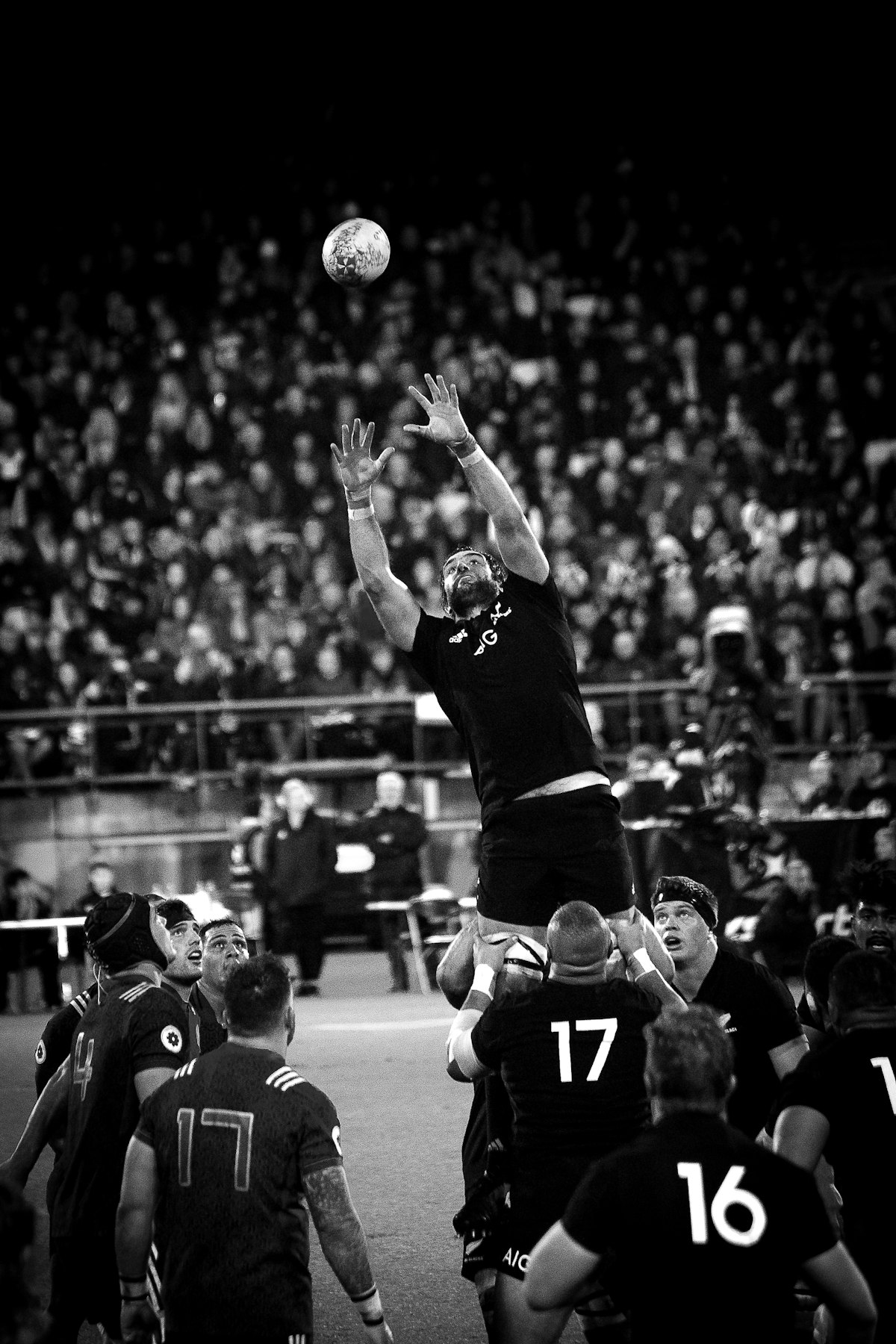
Buying rugby shirts off a shelf is quick, but the result is the same shirt another club may already be wearing. Having them made to order takes more steps and gives a kit that belongs only to your club. For anyone new to custom made rugby shirts, the process can seem unclear, so this guide walks through each stage and what the club needs to do at each one.
Quick answer: A made-to-order rugby shirt goes through six stages: brief, design mock-up, sizing, approval, production and delivery. The club's main tasks are to give clear information at the start, check the proof carefully and supply an accurate size and number list. Once those are done, the manufacturer does the rest.
Stage one: what goes into a good brief?
The brief is a short description of what the club wants. It does not need to be a finished design. A good brief includes the club colours, the crest as a high-quality file, any sponsor logos, the number of shirts and a few reference images of styles the club likes.
Mention anything that cannot change, such as traditional hoops or a specific shade. Say what the shirts are for as well. A first XV match shirt, a sevens kit and a tour shirt may each call for a different fabric and cut.
Stage two: how does the design take shape?
The manufacturer's designer turns the brief into a mock-up showing the front and back of the shirt. This first version is a starting point. The club reviews it and asks for changes, and a revised version follows.
Keep feedback specific. Saying that the hoops should be wider, or that the crest should move to the centre, is easier to act on than a general comment that the design does not feel right. Collect opinions inside the club first and send one combined response each round.
Stage three: how are sizes and numbers collected?
While the design is being refined, gather sizes. Ask the manufacturer for its size chart and for details of the cut, because a tight match fit and a classic fit measure very differently. The list sent to the manufacturer should include:
- Player name, if names are being printed
- Shirt number
- Size, using the exact labels from the size chart
- Cut, if more than one is offered
- Any spare shirts and the numbers they should carry
Rugby numbering traditionally follows positions, with starting shirts numbered one to fifteen and replacements above that. Many clubs therefore size shirts by position and not by individual, with larger sizes for the front five and a spread of sizes across the backs.
Stage four: what should be checked before approval?
Approval is the most important moment for the club. After this point the order goes into production and changes become difficult. Check the final proof for colours, crest position, sponsor spelling and placement, number style and collar type.
If time allows, ask whether a physical sample is possible. It shows the true colour on fabric, the weight of the material and the fit. Then check the size and number list once more, line by line, and confirm approval in writing.
Stage five: what happens in production?
For a sublimated shirt, the approved artwork is printed onto transfer paper and heat pressed into white polyester fabric, so the design becomes part of the material. The printed panels are then cut, sewn with reinforced seams and finished with collars and labels.
Each shirt is checked against the order before packing. The club does not need to do anything during this stage, although it is reasonable to ask for a progress update or photos of the finished shirts before they are sent.
Stage six: what should you do on delivery?
When the parcel arrives, count the shirts and check each one against the list before handing anything out. Look at sizes, numbers and print quality. Raise any issue with the manufacturer straight away, with photos, while everything is still unworn.
Then keep the paperwork. The approved proof, colour references and size list make reordering simple when new players join or shirts need replacing.
Frequently asked questions
Can a small club or a single team order?
Minimum quantities vary by manufacturer, so ask at the start. Many are set up to supply individual teams.
Can we use an existing design from a previous supplier?
Usually, provided the club owns the design. Send clear photos or files of the current shirt.
What file type is best for a club crest?
A vector file is ideal because it stays sharp at any size.
Key takeaways
- Made-to-order shirts follow six clear stages from brief to delivery
- A specific brief and combined feedback keep the design stage short
- Approval is the last easy moment to make changes
- Check the delivery against the list and keep all files for reorders
Final thoughts
Made-to-order kit is not complicated once the stages are clear. Give good information early, check carefully and keep your records. Stitch Next, a sportswear manufacturer in Sialkot, Pakistan, produces sublimated team uniforms to order, and its rugby page is the place to start a conversation about custom made rugby shirts for your club.